Sponsors Withdraw as Controversy Grows Over Ye Headlining London’s Wireless Festival
The announcement that Ye, formerly known as Kanye West, will headline the 2026 Wireless Festival in London has sparked widespread backlash, prompting major sponsors to withdraw their support and drawing criticism from senior U.K. political leaders.
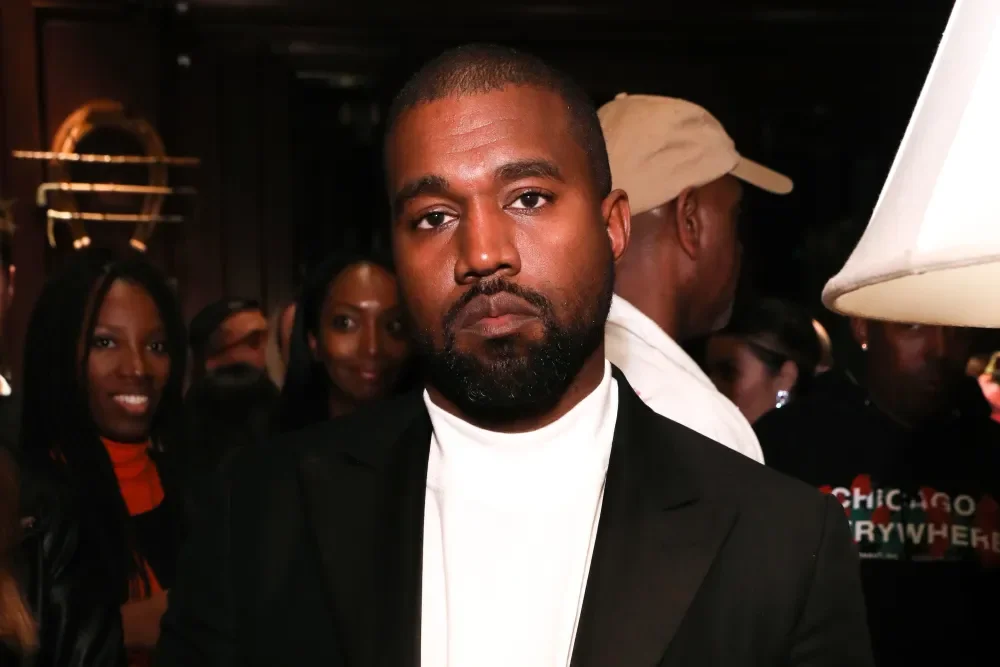
Wireless Festival organizers confirmed last week that Ye will headline all three nights of the major hip-hop event, scheduled for July 2026 in Finsbury Park, North London. The festival is one of the United Kingdom’s largest rap and hip-hop gatherings, attracting tens of thousands of attendees annually.
However, the booking has reignited debate surrounding Ye’s history of antisemitic remarks and controversial public behavior, an issue that continues to impact both his public standing and business relationships.
Major Sponsors Exit the Festival
Several prominent corporate partners have distanced themselves from the event following the announcement.
Pepsi, previously listed as a lead sponsor of Wireless Festival, confirmed it would withdraw its sponsorship. Global beverage company Diageo, which owns brands such as Johnnie Walker and Captain Morgan, also confirmed it would no longer support the 2026 festival “as it stands.”
Additional brands, including PayPal, Rockstar Energy, and companies connected to AB InBev, the parent company of Budweiser and Beatbox, have also reportedly withdrawn promotional partnerships or branding agreements associated with the event.
The full financial impact on the festival remains unclear, though the loss of multiple sponsors means a significant reputational challenge for one of the U.K.’s most prominent music festivals.
Political Leaders Condemn Booking Decision
The controversy has extended beyond the entertainment industry into British politics.
Prime Minister Keir Starmer publicly criticized the decision to book Ye, stating that it was “deeply concerning” given the artist’s past antisemitic rhetoric.
“Antisemitism in any form is abhorrent and must be confronted firmly wherever it appears,” Starmer told The Sun. “Everyone has a responsibility to ensure Britain is a place where Jewish people feel safe.”
Other political figures have gone further. Bridget Phillipson, a senior government minister, described Ye’s past remarks as “completely unacceptable and absolutely disgusting,” while Liberal Democrat leader Ed Davey called for the government to consider banning the artist from entering the United Kingdom.
Government officials have confirmed that Ye’s eligibility to enter the country is currently under review, although no formal travel plans have been publicly confirmed.
Festival Organizers Defend the Decision
Despite mounting criticism, Wireless Festival promoter Melvin Benn, managing director of Festival Republic, has defended the decision to keep Ye on the lineup.
Benn emphasized that the artist’s appearance is intended strictly as a musical performance rather than an endorsement of his past statements.
“We are not giving him a platform to extol opinion of whatever nature, only to perform the songs that are currently played on radio stations in our country and listened to and enjoyed by millions,” Benn said in a statement.
Benn also described himself as a “deeply committed anti-fascist,” acknowledging the offensive nature of Ye’s past comments while advocating for the possibility of personal change.
“Forgiveness and giving people a second chance are becoming a lost virtue,” Benn said, adding that he hopes audiences will consider allowing the artist an opportunity to move forward.
A Career Attempting Rehabilitation
Ye has faced sustained criticism in recent years for antisemitic statements and controversial imagery, including social media posts praising Adolf Hitler and merchandise featuring swastika symbols.
In early 2026, the artist issued a public apology in a full-page advertisement in The Wall Street Journal, attributing his behavior in part to bipolar disorder and what he described as an untreated frontal lobe injury sustained in a 2002 car accident.
The rapper has recently attempted to rebuild his career, releasing his new album Bully, which debuted at number two on the Billboard 200 chart. He also performed two sold-out shows at SoFi Stadium in Los Angeles as part of the album rollout.
Ye has not yet publicly commented on the Wireless Festival controversy.
Community Response Remains Divided
Jewish organizations and advocacy groups have expressed concern about the booking, with some arguing that allowing Ye to headline such a major event sends the wrong message given the length and severity of his past rhetoric.
Phil Rosenberg, president of the Board of Deputies of British Jews, said the decision is unlikely to reassure communities affected by Ye’s past comments.
“Kanye West proclaimed himself a Nazi, and Wireless stands to benefit financially from his performance,” Rosenberg said, adding that the festival should reconsider the invitation.
Others have emphasized the importance of balancing accountability with the possibility of rehabilitation, particularly given Ye’s recent apology.
What Happens Next
As of now, Ye remains scheduled to headline Wireless Festival across all three nights in July, though ongoing political scrutiny and sponsor withdrawals suggest the situation remains fluid.
The controversy highlights the ongoing tension between artistic freedom, corporate responsibility, and public accountability, particularly when high-profile figures attempt to re-enter the spotlight after significant public backlash.
With government officials reviewing Ye’s entry into the country and sponsors continuing to reassess their involvement, the question facing Wireless Festival is no longer simply about music, but about where the people are drawing the line for artists and what they have to say.