‘America’s Next Top Model’ Was Never About Modeling
There’s a very specific cultural experience shared by millions of us who grew up in the 2000s: sitting in front of the TV watching America’s Next Top Model, learning, often subconsciously, that beauty was conditional, fragile, and always one panel critique away from being revoked.
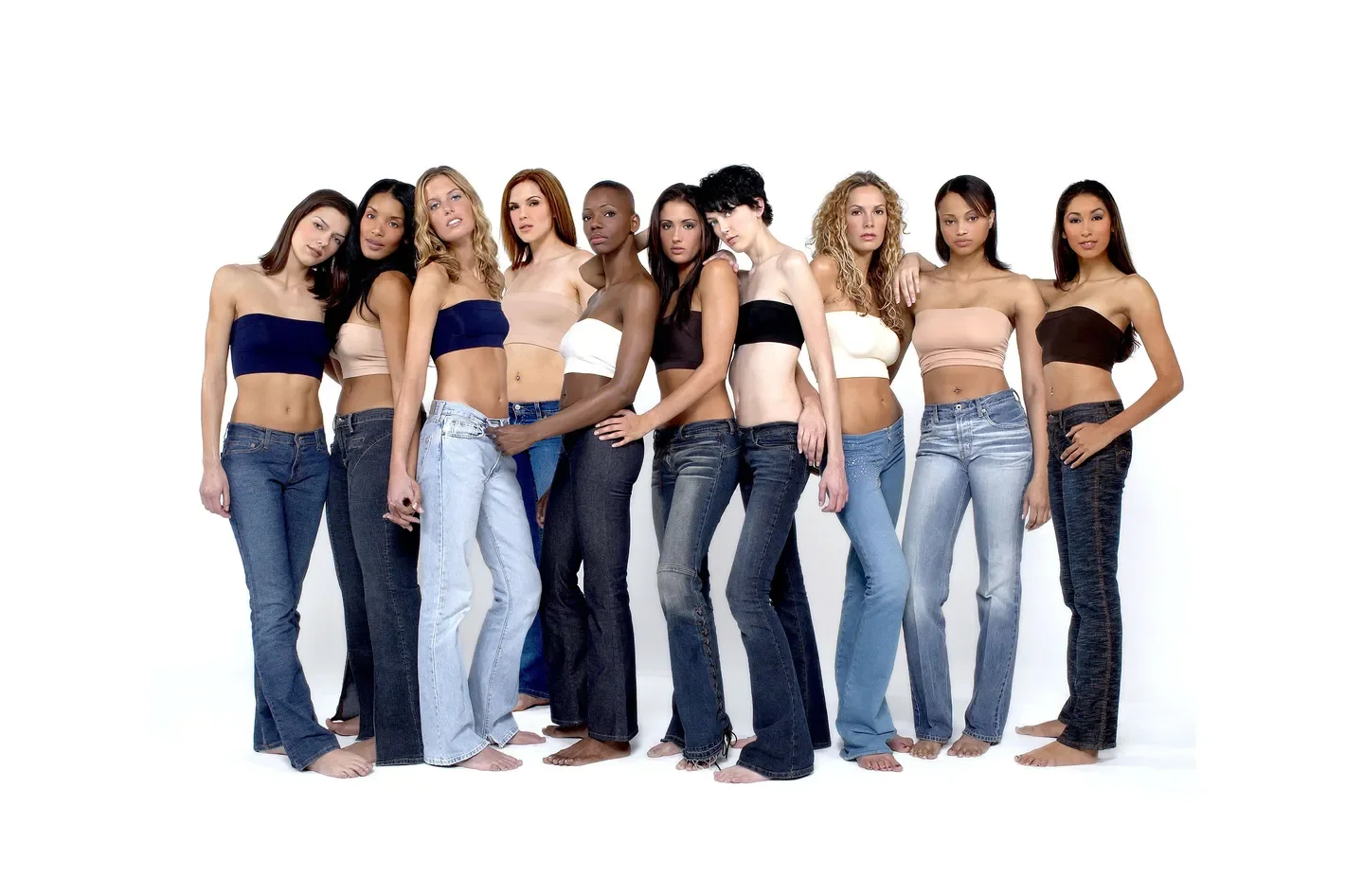
Netflix’s three-part docuseries, Reality Check: Inside America’s Next Top Model, revisits the show and completely dismantles it. And more importantly, it dismantles the mythology around Tyra Banks, the self-proclaimed architect of empowerment who now appears, in hindsight, more like the architect of one of reality TV’s most psychologically torturous machines.
Like many people, I grew up adjacent to Top Model. I wasn’t obsessed, but I knew its language. Smize. Fierce. Booty tooch. And during COVID lockdown, when nostalgia became a coping mechanism, I rewatched it all. What once felt camp and glamorous suddenly looked darker. The docuseries confirms what many viewers have since realized: America’s Next Top Model wasn’t just entertainment. It was a humiliation ritual disguised as opportunity.
For a solid decade, America’s response to encountering an optimistic young woman with potential was to systematically break her down on national television. At the end of each episode, contestants would stand before a panel of judges whose sacred duty, it seemed, was to inform some of the most beautiful young women that they were, in fact, ugly. Or fat. Or not enough. Always not enough.
And they didn’t just critique performance. They critiqued their existence.
The Architecture of Humiliation
What Reality Check makes devastatingly clear is that the show’s cruelty was structural and intentional.
Contestants were forced into degrading scenarios under the guise of “editorial challenges.” A plus-size contestant was made to pose as an elephant. Another model, Dani, was pressured to close her tooth gap, not for health reasons, but for aesthetics. Medical intervention wasn’t framed as an optional improvement. It was framed as survival.
Psychologists have long studied this phenomenon. In media psychology, it’s known as manufactured vulnerability: producers deliberately place participants in emotionally compromising situations to elicit dramatic reactions. According to media scholar Laurie Ouellette in her book Better Living Through Reality TV, reality shows often rely on “technologies of self-transformation” where participants are broken down so they can be rebuilt for audience consumption. The suffering is not a side effect. It is the product.
Top Model exemplified this perfectly.
Contestants were forced to reenact trauma. One model whose mother had survived gun violence was made to pose as a shooting victim. Shandi, a young contestant, was sexually assaulted on camera during a drunken night, a violation that production not only aired but reframed into a cheating storyline. Instead of protection, she was given narrative exploitation.
This wasn’t modeling. This was emotional extraction.
The Myth of Tyra Banks, Feminist Architect
Perhaps the most fascinating, and damning, aspect of the docuseries is Tyra Banks herself.
Tyra spends a remarkable portion of the documentary emphasizing how deeply involved she was in every aspect of the show. She presents herself as visionary. Hands-on. Meticulous. Every creative choice, every twist, every innovation. Hers.
Until the conversation turns to the cruelty. Suddenly, the memory falters.
Responsibility shifts elsewhere: to producers, to network executives like Les Moonves (conveniently, a man whose credibility is permanently compromised by multiple sexual assault allegations), to the culture, to the time period. To everyone but her.
This contradiction is impossible to ignore. You cannot be both the omnipotent creator and the powerless bystander. Leadership includes responsibility for institutional harm. They define what behavior is permissible. Tyra didn’t just participate in that climate. She created it. She allowed contestants to be pitted against each other. She allowed trauma to be weaponized. She allowed vulnerability to become spectacle.
And perhaps most revealingly, while other judges, including Jay Manuel, Nigel Barker, have publicly expressed regret or accountability, and even the notoriously harsh Janice Dickinson decided to opt out of the docu-series rather than continue to lie to audiences’ faces. Tyra largely frames herself as misunderstood rather than responsible.
Everyone else evolved. She explained. There’s a difference.
This isn’t to absolve the other judges. They were complicit. They participated in the critiques. They enforced the standards. They helped sustain the machine.
But they did not build the machine.
Power dynamics matter. Those at the top determine institutional culture. Tyra was not just a host. She was executive producer. Creator. Brand.
Even the emotional dynamics behind the scenes reinforce this imbalance. The docuseries touches on deeply human moments, like when Miss J Alexander suffered a stroke. The judges rallied around him. Tyra’s absence spoke louder than any scripted tribute ever could.
The warmth others expressed felt human. Tyra’s reflections felt… curated. And that distinction matters.
The False Promise of Opportunity
Perhaps the greatest illusion Top Model sold was the idea that it was launching careers.
At its peak, the show reached over 100 million viewers globally. It was a cultural juggernaut. But remarkably few contestants became major fashion forces. And those who did, like Eva Marcille, Toccara, or Yaya DaCosta, succeeded largely outside of the show’s framework and constraints.
The fashion industry itself largely rejected Top Model. Its increasingly gimmicky photoshoots, models posing as homeless people, crime victims, or racial caricatures, made contestants less credible, not more.
The show didn’t create supermodels. It created content.
Reality Television and the Commodification of Trauma
What makes the docuseries so uncomfortable isn’t just what it reveals about Tyra Banks. It reveals something about us.
We watched.
Reality television scholar Mark Andrejevic has written extensively about how audiences become complicit in surveillance entertainment. Shows like Top Model turned emotional suffering into consumable spectacle. Pain became plot. Trauma became ratings. And Tyra Banks understood that better than anyone.
The docuseries’ most cynical twist is its implication that this “reckoning” may itself be strategic, a soft relaunch, a brand recalibration ahead of potential new seasons. If so, it proves the central thesis of Top Model was never empowerment. It was control.
The most heartbreaking parts aren’t the scandals. They’re the women.
Hearing contestants describe the psychological toll. The shame. The confusion. The years it took to unlearn the idea that their worth was conditional.
Tyra Banks built an empire selling the fantasy of empowerment while quietly reinforcing the very systems that once hurt her. She became, in effect, the industry she claimed to challenge. And now, faced with the consequences, she offers explanations instead of accountability. Everyone else seems to understand what happened.
Except her.
And that might be the most revealing reality check of all.